Beware! Disturbing!
Monday, December 9, 2013
Monday, November 25, 2013
Cranberry Vodka
 1 bottle vodka 1.75ml (it goes fast so I make a large batch)
3 pkgs 12 oz cranberries
2 vanilla beans (opt)

Pulse cranberries in food processor or roughly chop by hand.

Add cranberries to glass jars of jugs. Pour in vodka.

Allow 1-3 weeks to infuse. Store in frig or freezer.
Monday, September 16, 2013
Book Review
I finally found a great book for the diet changes our family has made for health reasons.
The Healthy Gluten Free Life by Tammy Credicott
This book has a wide variety of recipes including breakfast, entrees, sides, and desserts. The cookies we made were delicious.
The Healthy Gluten Free Life by Tammy Credicott
This book has a wide variety of recipes including breakfast, entrees, sides, and desserts. The cookies we made were delicious.
Saturday, September 7, 2013
Homemade Coconut Milk

1 c coconut
1 unsweetened date (opt)
1/4 tsp vanilla (opt)
Place ingredients in blender and process for several of minutes. Strain through cheesecloth or nut bag. Pour into jars. Place in refrigerator and shake occasionally (4-6 times) until chilled (approx. 30min -1 hr). This prevents the fat from separating.

Sunday, September 1, 2013
Unglued:The Sticky Truth About Wheat, Dairy, Corn and Soy
by Sayer Ji
Approximately 70% of all American calories come from a combination of the following four foods: wheat, dairy, soy and corn - assuming, that is, we exclude calories from sugar.
Were it true that these four foods were health promoting, whole-wheat-bread-munching, soy-milk-guzzling, cheese-nibbling, corn-chip having Americans would probably be experiencing exemplary health among the world's nations. To the contrary, despite the massive amount of calories ingested from these purported "health foods," we are perhaps the most malnourished and sickest people on the planet today. The average American adult is on 12 prescribed medications, demonstrating just how diseased, or for that matter, brainwashed and manipulated, we are.
How could this be? After all, doesn't the USDA Food Pyramid emphasize whole grains like wheat above all other food categories, and isn’t dairy so indispensible to our health that it is afforded a category all of its own?
Unfortunately these “authoritative” recommendations go much further in serving the special interests of the industries that produce these commodities than in serving the biological needs of those who are told it would be beneficial to consume them. After all, grains themselves have only been consumed for 500 generations – that is, only since the transition out of the Paleolithic into the Neolithic era approximately 10,000 years ago. Since the advent of homo sapiens 2.5 million years ago our bodies have survived on a hunter and gatherer diet, where foods were consumed in whole form, and raw! Corn, Soy and Cow's Milk have only just been introduced into our diet, and therefore are “experimental” food sources which given the presence of toxic lectins, endocrine disruptors, anti-nutrients,enzyme inhibitors, indigestible gluey proteins, etc, don’t appear to make much biological sense to consume in large quantities - and perhaps, as is my belief, given their deleterious effects on health, they should not be consumed at all.
Even if our belief system doesn’t allow for the concept of evolution, or that our present existence is borne on vast stretches of biological time, we need only consider the undeniable fact that these four “health foods” are also sources for industrial adhesives, in order to see how big a problem they present.
For one, wheat flour is used to make glues for book binding and wall-papering, as well as being the key ingredient for paper mache mortar. Sticky soy protein has replaced the need for formaldehyde based adhesives for making plywood, and is used to make plastic, composite and many other things you probably wouldn’t consider eating. The whitish protein known as casein in cow's milk is the active ingredient in Elmer's glue and has been used for paint since ancient times. Finally, corn gluten is used as a glue to hold cardboard boxes together. Eating glue doesn't sound too appetizing does it? Indeed, when you consider what these sticky glycoproteins will do to the delicate microvilli inside our intestines, a scenario, nightmarish in proportions, unfolds.
All nutrients are absorbed in the intestine through the microvilli. These finger-like projections from off the surface of the intestine amplify the surface area of absorption in the intestine to the area the size of a tennis court. When coated with undigested or partially digested glue (glycoproteins), not only is the absorption of nutrients reduced leading to malabsorption and consequently malnourishment, but the villi themselves become damaged/dessicated/ inflammed and begin to undergo atrophy - at times even breaking off. The damage to the intestinal membrane caused by these glues ultimately leads to perforation of the one cell thick intestinal wall, often leading to "leaky gut syndrome": a condition where undigested proteins and plant toxins called lectins enter the bloodstream wreaking havoc on the immune system. A massive amount of research (which is given little to no attention both in the mass media and allopathic medicine) indicates that diseases as varied as fibromyalgia, diabetes, Autism, cancer, arthritis, crohn's, chronic fatigue, artheroscerosis, and many others, are directly influenced by the immune mediated responses wheat, dairy, soy and corn can provoke.
Of all four suspect foods Wheat, whose omnipresence in the S.A.D or Standard American Diet indicates something of an obsession, may be the primary culprit. According to Clinical Pathologist Carolyn Pierini the wheat lectin called "gliadin" is known to to participate in activating NF kappa beta proteins which are involved in every acute and chronic inflammatory disorder including neurodegenerative disease, inflammatory boweldisease, infectious and autoimmune diseases.
In support of this indictment of Wheat’s credibility as a “health food,” Glucosamine – the blockbuster supplement for arthritis and joint problems – has been shown to bind to and deactivate the lectin in wheat that causes inflammation. It may just turn out to be true that millions of Americans who are finding relief with Glucosamine would benefit more directly from removing the wheat (and related allergens) from their diets rather than popping a multitude of natural and synthetic pills to cancel one of Wheat’s main toxic actions. Not only would they be freed up from taking supplements like Glucosamine, but many would also be able to avoid taking dangerous Non-Steroidal Anti-Inflammatory Drugs (NSAIDs) like Tylenol, Aspirin and Ibuprofen, which are known to cause tens of thousands of cases of liver damage, internal hemorrhaging and stomach bleeding each and every year.
One might wonder: “How is it that if America's favorite sources of calories: Wheat and Dairy, are so obviously pro-inflammatory, immunosuppressive, and generally toxic, why would anyone eat them?” ANSWER: They are powerful forms of socially sanctioned self-medication.
Wheat and Dairy contain gliadorphin and gluten exorphins, and casomorphin, respectively. These partially digested proteins known as peptides act on the opioid receptors in the brain, generating a temporary euphoria or analgesic effect that has been clinically documented and measured in great detail. The Institute of Pharmacology and Toxicology in Magdeburg, Germany has shown that a Casein (cow's milk protein) derivative has 1000 times greater antinociceptive activity (pain inhibition) than morphine. Not only do these morphine like substances create a painkilling "high," but they can invoke serious addictive/obsessive behavior, learning disabilities, autism, inability to focus, and other serious physical and mental handicaps.
As the glues destroy the delicate surface of our intestines, we for the life of us can't understand why we are so drawn to consume these "comfort foods", heaping "drug soaked" helping after helping. Many of us struggle to shake ourselves out of our wheat and dairy induced stupor with stimulants like coffee, caffeinated soda and chocolate, creating a viscous “self-medicating” cycle of sedation and stimulation.
As if this were not enough, Wheat, Dairy, and Soy also happen to have some of the highest naturally occurring concentrations of Glutamic Acid, which is the natural equivalent of monosodium glutamate. This excitotoxin gives these foods great "flavor" (or what the Japanese call umami) but can cause the neurons to fire to the point of death. It is no wonder that with all these drug-like qualities most Americans consume wheat and dairy in each and every meal of their day, for each and every day of their lives.
Whether you now believe that removing Wheat, Dairy, Soy and Corn from your diet is a good idea, or still need convincing, it doesn’t hurt to take the “elimination diet” challenge. The real test is to eliminate these suspect foods for at least 2 weeks, see how you feel, and then if you aren’t feeling like you have made significant improvements in your health, reintroduce them and see what happens. Trust in your feelings, listen to your body, and you will move closer to what is healthy for you.
This article owes much of its content and insight to the work of John Symes whose ground-breaking research on the dangers of wheat, dairy, corn and soy have been a great eye opener to me, and a continual source of inspiration in my goal of educating myself and others.
As always, Celiac.com welcomes your comments (see below).
Were it true that these four foods were health promoting, whole-wheat-bread-munching, soy-milk-guzzling, cheese-nibbling, corn-chip having Americans would probably be experiencing exemplary health among the world's nations. To the contrary, despite the massive amount of calories ingested from these purported "health foods," we are perhaps the most malnourished and sickest people on the planet today. The average American adult is on 12 prescribed medications, demonstrating just how diseased, or for that matter, brainwashed and manipulated, we are.
How could this be? After all, doesn't the USDA Food Pyramid emphasize whole grains like wheat above all other food categories, and isn’t dairy so indispensible to our health that it is afforded a category all of its own?
Unfortunately these “authoritative” recommendations go much further in serving the special interests of the industries that produce these commodities than in serving the biological needs of those who are told it would be beneficial to consume them. After all, grains themselves have only been consumed for 500 generations – that is, only since the transition out of the Paleolithic into the Neolithic era approximately 10,000 years ago. Since the advent of homo sapiens 2.5 million years ago our bodies have survived on a hunter and gatherer diet, where foods were consumed in whole form, and raw! Corn, Soy and Cow's Milk have only just been introduced into our diet, and therefore are “experimental” food sources which given the presence of toxic lectins, endocrine disruptors, anti-nutrients,enzyme inhibitors, indigestible gluey proteins, etc, don’t appear to make much biological sense to consume in large quantities - and perhaps, as is my belief, given their deleterious effects on health, they should not be consumed at all.
Even if our belief system doesn’t allow for the concept of evolution, or that our present existence is borne on vast stretches of biological time, we need only consider the undeniable fact that these four “health foods” are also sources for industrial adhesives, in order to see how big a problem they present.
For one, wheat flour is used to make glues for book binding and wall-papering, as well as being the key ingredient for paper mache mortar. Sticky soy protein has replaced the need for formaldehyde based adhesives for making plywood, and is used to make plastic, composite and many other things you probably wouldn’t consider eating. The whitish protein known as casein in cow's milk is the active ingredient in Elmer's glue and has been used for paint since ancient times. Finally, corn gluten is used as a glue to hold cardboard boxes together. Eating glue doesn't sound too appetizing does it? Indeed, when you consider what these sticky glycoproteins will do to the delicate microvilli inside our intestines, a scenario, nightmarish in proportions, unfolds.
All nutrients are absorbed in the intestine through the microvilli. These finger-like projections from off the surface of the intestine amplify the surface area of absorption in the intestine to the area the size of a tennis court. When coated with undigested or partially digested glue (glycoproteins), not only is the absorption of nutrients reduced leading to malabsorption and consequently malnourishment, but the villi themselves become damaged/dessicated/ inflammed and begin to undergo atrophy - at times even breaking off. The damage to the intestinal membrane caused by these glues ultimately leads to perforation of the one cell thick intestinal wall, often leading to "leaky gut syndrome": a condition where undigested proteins and plant toxins called lectins enter the bloodstream wreaking havoc on the immune system. A massive amount of research (which is given little to no attention both in the mass media and allopathic medicine) indicates that diseases as varied as fibromyalgia, diabetes, Autism, cancer, arthritis, crohn's, chronic fatigue, artheroscerosis, and many others, are directly influenced by the immune mediated responses wheat, dairy, soy and corn can provoke.
Of all four suspect foods Wheat, whose omnipresence in the S.A.D or Standard American Diet indicates something of an obsession, may be the primary culprit. According to Clinical Pathologist Carolyn Pierini the wheat lectin called "gliadin" is known to to participate in activating NF kappa beta proteins which are involved in every acute and chronic inflammatory disorder including neurodegenerative disease, inflammatory boweldisease, infectious and autoimmune diseases.
In support of this indictment of Wheat’s credibility as a “health food,” Glucosamine – the blockbuster supplement for arthritis and joint problems – has been shown to bind to and deactivate the lectin in wheat that causes inflammation. It may just turn out to be true that millions of Americans who are finding relief with Glucosamine would benefit more directly from removing the wheat (and related allergens) from their diets rather than popping a multitude of natural and synthetic pills to cancel one of Wheat’s main toxic actions. Not only would they be freed up from taking supplements like Glucosamine, but many would also be able to avoid taking dangerous Non-Steroidal Anti-Inflammatory Drugs (NSAIDs) like Tylenol, Aspirin and Ibuprofen, which are known to cause tens of thousands of cases of liver damage, internal hemorrhaging and stomach bleeding each and every year.
One might wonder: “How is it that if America's favorite sources of calories: Wheat and Dairy, are so obviously pro-inflammatory, immunosuppressive, and generally toxic, why would anyone eat them?” ANSWER: They are powerful forms of socially sanctioned self-medication.
Wheat and Dairy contain gliadorphin and gluten exorphins, and casomorphin, respectively. These partially digested proteins known as peptides act on the opioid receptors in the brain, generating a temporary euphoria or analgesic effect that has been clinically documented and measured in great detail. The Institute of Pharmacology and Toxicology in Magdeburg, Germany has shown that a Casein (cow's milk protein) derivative has 1000 times greater antinociceptive activity (pain inhibition) than morphine. Not only do these morphine like substances create a painkilling "high," but they can invoke serious addictive/obsessive behavior, learning disabilities, autism, inability to focus, and other serious physical and mental handicaps.
As the glues destroy the delicate surface of our intestines, we for the life of us can't understand why we are so drawn to consume these "comfort foods", heaping "drug soaked" helping after helping. Many of us struggle to shake ourselves out of our wheat and dairy induced stupor with stimulants like coffee, caffeinated soda and chocolate, creating a viscous “self-medicating” cycle of sedation and stimulation.
As if this were not enough, Wheat, Dairy, and Soy also happen to have some of the highest naturally occurring concentrations of Glutamic Acid, which is the natural equivalent of monosodium glutamate. This excitotoxin gives these foods great "flavor" (or what the Japanese call umami) but can cause the neurons to fire to the point of death. It is no wonder that with all these drug-like qualities most Americans consume wheat and dairy in each and every meal of their day, for each and every day of their lives.
Whether you now believe that removing Wheat, Dairy, Soy and Corn from your diet is a good idea, or still need convincing, it doesn’t hurt to take the “elimination diet” challenge. The real test is to eliminate these suspect foods for at least 2 weeks, see how you feel, and then if you aren’t feeling like you have made significant improvements in your health, reintroduce them and see what happens. Trust in your feelings, listen to your body, and you will move closer to what is healthy for you.
This article owes much of its content and insight to the work of John Symes whose ground-breaking research on the dangers of wheat, dairy, corn and soy have been a great eye opener to me, and a continual source of inspiration in my goal of educating myself and others.
As always, Celiac.com welcomes your comments (see below).
Wednesday, August 21, 2013
Gluten and Dairy Free Banana Bread

1/2 c Almond Flour
1/4 c Coconut Flour
1/4 c Potato Starch
1/4 c Flax Seed (opt)
2 Eggs
1/2 c Honey, Agave, or Sugar
2 tsp Baking Powder
1/2 tsp Baking Soda
1 c Bananas (2-3 bananas)
1/4 c Coconut Oil
4 T Rice or Nut Milk
1/2 tsp Vanilla
Preheat oven to 350. Grease loaf pan. Mash bananas in a large bowl. Warm coconut oil and honey and mix with bananas. Add eggs, rice or nut milk, and vanilla. Add flours, potato starch, flax, baking powder and baking soda. Mix until combined. Pour into loaf pan. Bake for 45 minutes.
Tuesday, August 13, 2013
Homemade Almond Milk
 Soak 1 cup of raw almonds overnight. Drain and rinse. Add almonds and 3.5 cups of water to blender. Add 1 tsp vanilla. Add 2 TBS maple syrup or 2 large unsweetened dates.
Blend well.


Use cheesecloth, mesh strainer, or nut bag. Strain almonds from milk.


The ground almonds can be dried and finely ground for flour or toasted for cereals and granola.

Pour into jars. Store in refrigerator for 3-5 days.


Tuesday, August 6, 2013
Natural Remedies for Insect Bites
 Basil essential oil-helps relieve mosquito and wasp bites. Apply one drop directly to bite. More than three drops can irritate the skin.
Lavender essential oil-soothes insect bites and stings. I use lavender on my families bites. Apply one drop directly to bite.
 Calendula-soothes insect bites. I make a salve with calendula and comfrey. It works well to reduce itching, redness, and the bites seem to disappear faster. You can also crush the petals onto the bites.
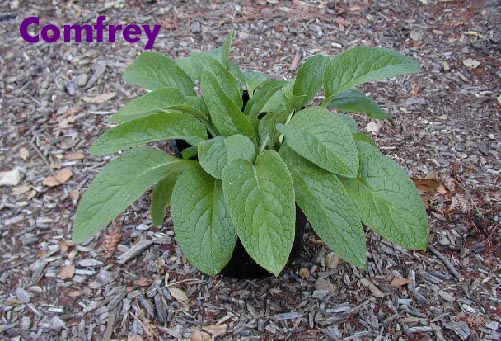 Comfrey-soothes itching and irritating bites. We use comfrey and calendula in a salve. See my handcrafted body products page to order by email.
 Witch Hazel-soothes inflammation, swelling, and itching. I have not tried witch hazel yet. (to be updated soon)
Aloe Vera-soothes irritation, redness, and swelling. I have tried aloe on several bites. It does reduce the redness but doesn't relieve the itchiness.
Thursday, August 1, 2013
Ollas
We are experimenting with olla pots in our garden. Ollas are unglazed terracotta pots buried in your garden beds. This method of irrigation was introduced to Americans by Spanish settler. Modern irrigation systems have replaced traditional methods, but modern systems loose more water than ollas. In desert climates, ollas have been making a comeback because they greatly reduce evaporation and run-off. The water seeps through the porous pot allowing the plants to take what they need also eliminating over watering. We have been filling our 2 gallon ollas approximately every 5-7 days.


Dripping Springs Ollas
Olla Irrigation
Urban Homestead Using Ollas
Global Buckets
Growing awareness urban farm

Sweet Potatoes and a trial homemade olla. It will be buried farther.

Okra, carrots, and some ground cover (red clover and buckwheat)

Starting our fall garden.
Newly planted cucumber, spaghetti squash, pumpkin, and some swiss chard.
Dripping Springs Ollas
Olla Irrigation
Urban Homestead Using Ollas
Global Buckets
Growing awareness urban farm
Tuesday, July 23, 2013
Saturday, July 13, 2013
Wednesday, June 26, 2013
Natural Gardener Austin Gardening Tips
Don't forget to plant your pumpkin seeds.
http://www.naturalgardeneraustin.com/what-to-do-in-july.html
http://www.naturalgardeneraustin.com/what-to-do-in-july.html
GMO Information
Links
http://www.motherearthnews.com/natural-health/gmo-safety-zmgz13amzsto.aspx#axzz2X4R2i8Ki
http://foodmatters.tv/articles-1/gm-corn-linked-to-cancer-tumors
http://www.nwrage.org/content/about-us
http://www.nongmoshoppingguide.com/
http://www.nongmoproject.org/
http://www.righttoknow-gmo.org/
http://www.fooddemocracynow.org/
http://www.motherearthnews.com/natural-health/gmo-safety-zmgz13amzsto.aspx#axzz2X4R2i8Ki
http://foodmatters.tv/articles-1/gm-corn-linked-to-cancer-tumors
http://www.nwrage.org/content/about-us
http://www.nongmoshoppingguide.com/
http://www.nongmoproject.org/
http://www.righttoknow-gmo.org/
http://www.fooddemocracynow.org/
Thursday, June 20, 2013
Five Plants that Repel Mosquitoes (article from aha modern living)
 Lemongrass This plant has a fresh lemony smell that is quite nice to people, but that mosquitoes hate. Lemongrass may be grown from seeds, but it is a rather lengthy process. It is actually easier to grow lemongrass from the mature plant, which you can buy at your preferred produce spot, Asian market or grocery store. Purchase a bundle of lemongrass, and when you get it home, trim the tops of the plant, and remove any dead parts. Place the trimmed grass in a clear jar or glass of water, then place this on a sunny windowsill. Within a few weeks, this will develop roots and can be transplanted into a spot with full sun.
 Rosemary This herb is awesome for cooking, but did you know that it’s great for repelling mosquitoes, too? Rosemary likes a Mediterranean climate, so it thrives in well draining soil and full sunlight. It’s easy to grow and doesn’t require much water. If you live in a warm climate, your rosemary will even survive the winter. If you live in a climate where the winter dips below 30 degrees F, plant your rosemary in pots so that you can bring it indoors during the winter. Rosemary is technically a shrub and can get quite large, so trim it frequently.
 Marigolds Marigolds are awesome companion plants that make a beneficial garden border for many reasons. And something about their slightly pungent smell is just hated by mosquitoes. You can find many different varieties of marigolds and select your favorite to fit the look you want: tall or short, red, orange, gold, or yellow. They don’t need much maintenance, but do benefit from deadheading. While most plants can be rubbed on your skin to help repel mosquitoes, you should avoid this with marigolds.
 Catnip Loved by kitties, but loathed by mosquitoes, catnip is a great plant to help keep pests away. Catnip should be trimmed back frequently, otherwise it tends to get a bit invasive. A good way to keep it from spreading too much is to simply plant it in containers. It also grows well and looks pretty in hanging baskets. Amazingly, catnip has proved to be 10 times more effective than DEET, a chemical commonly found in insect repellents, at keeping mosquitoes away. Catnip is totally safe to rub on your skin, just crush the leaves up a little bit first.
Yarrow, a Natural Insect Repellent
Yarrow, a natural insect repellent
by Rosalee de la Foret
Yarrow, Achillea millefolium, is a beautiful and incredibly useful plant that grows practically everywhere, and is a great natural insect repellent. I tell hikers and other avid outdoors people that if they only knew one plant, yarrow should be it.
 My first introduction to yarrow was quite dramatic. While out camping, a friend sliced open her hand quite deeply and it started to profusely flow with blood. After sitting her down and raising her hand above her heart, yarrow was picked fresh and place on the wound. Within seconds it stopped bleeding.
Later at the emergency room the doctor was at first annoyed with the “dirty” plant material that was place in the wound, but then amazed as he realized how deep the cut was, and how very little blood there was.
Yarrow is another magical herb that can not only stop bleeding almost instantly, but can also increase circulation when taken internally or used externally to promote blood flow in bruises or varicose veins.
Yarrow’s healing abilities have been known for an immeasurable amount of time and have even been made famous in our myths of Achilles.
For yarrow, also named Achillea, is the magic potion said to have protected Achilles so well. Also called woundwort and other similarly devised names, yarrow has been used on battlefields to heal soldiers’ wounds as far back as we have sad tales of war.
Yarrow grows outside my front door, but during the dormant season I like to keep enough dried on hand for whatever emergencies may arise. It can be powdered and sprinkled on wounds, not only to stop bleeding but also to dull pain, and as an antiseptic herb to prevent infection.
Yarrow’s abilities are not limited to wounds however. Taken internally it can open pores for cleansing and to release a fever. Yarrow is frequently used as a tea at the first sign of a cold or flu. The tincture or tea can be used for bladder infections. Yarrow is anti-microbial, astringent, anodyne, and reduces inflammation.
Last summer I was collecting yarrow leaves and flowers to make an infused oil and tincture. When I brought the stalks home I was amazed at the lack of insects on the plants. It truly is a natural insect repellent. Usually, after wildcrafting, I set the plants outside to “de-bug”. But there wasn’t a single bug there. And so I came up with this insect repellant that is not only effective but also smells great!
Yarrow Natural Insect Repellent
1. Gather enough yarrow leaves and flowers to fit snugly in a jar. Chop them up and put them in the jar.
2. Pour in vodka to the top of the jar.
3. Shake it every day for a first week.
4. Strain after 2 to 6 weeks.
4. Pour desired amount into a spray bottle and add catnip and lavender essential oils.
It's THAT simple to make a natural insect repellent!
Tuesday, June 18, 2013
Monday, June 17, 2013
Homemade Laundry Detergent
.jpg)
Mix the following ingredients:
1 (4 pound) box of Super Washing Soda
1 (4 pound) box of Baking Soda
1 (4 pound) box of Borax
3 bars of Castille soap-Shredded
Add 2 Tablespoons to each load.
*Cover your face with a clean dish towel or bandana while mixing. Inhaling the soaps can irritate your nasal passages.
Add 2 Tablespoons to each load.
*Cover your face with a clean dish towel or bandana while mixing. Inhaling the soaps can irritate your nasal passages.
Thursday, May 23, 2013


Bread Recipe of the Month (May)
Milk Sandwich Bread from joy of cooking
Combine the following in a large mixing bowl.
2 1/4 tsp active dry yeast
3 TBS warm (105-115 degree) water
Let stand until the yeast is dissolved, about 5 minutes.
Add:
1 cup milk, warm to 105-115 degrees
5 TBS melted butter
3 TBS sugar
1 large egg
1 tsp salt
Mix by hand or on low speed for 1 minute. Gradually stir in:
2 cups bread flour
1 1/2-2 cups all purpose flour
Knead for about 10 minutes. Oil dough and allow to rise until doubled 1-1 1/2 hours. Punch down, knead briefly, and refrigerate for 30 minutes. Shape into loaf pans. Allow to rise until doubled 1-1 1/2 hours. Bake at 375 for 30-40 minutes.
*I like to add cranberries and pistachios or cinnamon and raisins to this bread.
Combine the following in a large mixing bowl.
2 1/4 tsp active dry yeast
3 TBS warm (105-115 degree) water
Let stand until the yeast is dissolved, about 5 minutes.
Add:
1 cup milk, warm to 105-115 degrees
5 TBS melted butter
3 TBS sugar
1 large egg
1 tsp salt
Mix by hand or on low speed for 1 minute. Gradually stir in:
2 cups bread flour
1 1/2-2 cups all purpose flour
Knead for about 10 minutes. Oil dough and allow to rise until doubled 1-1 1/2 hours. Punch down, knead briefly, and refrigerate for 30 minutes. Shape into loaf pans. Allow to rise until doubled 1-1 1/2 hours. Bake at 375 for 30-40 minutes.
*I like to add cranberries and pistachios or cinnamon and raisins to this bread.
Book Recommendation (May)
No More Dirty Looks: The Truth About Your Beauty Products--and the ultimate guide to safe and clean cosmetics by Siobhan O'Connor and Alexandra Spunt
Amazon
This book will give you detailed information on all the chemicals in your beauty products. It is quite eye opening.
Wednesday, May 22, 2013
Thursday, May 9, 2013


Monday, May 6, 2013
Raw Milk
Awesome raw milk in Georgetown, TX! Dyer Mercantile
I will be checking into Sand Creek Farm (grass-fed only) and City Farm Austin.
Some information I have found on raw milk.
Real Milk This website has quite a bit of information. Including; health and safety facts and state by state information with locations for buying milk in each state.
http://chriskresser.com/raw-milk-reality-is-raw-milk-dangerous Some fact based information.
http://www.globalhealingcenter.com/natural-health/raw-milk-vs-pasteurized-milk/
http://www.naturalnews.com/039294_raw_milk_iowa_food_freedom.html
http://www.huffingtonpost.com/2009/06/05/10-things-you-should-know_n_211715.html Great Article.
http://farmageddonmovie.com/ Documentary available on netflix regarding raw milk.
This is part of the article from "how stuff works" on pasteurization.
I will be checking into Sand Creek Farm (grass-fed only) and City Farm Austin.
Some information I have found on raw milk.
Real Milk This website has quite a bit of information. Including; health and safety facts and state by state information with locations for buying milk in each state.
http://chriskresser.com/raw-milk-reality-is-raw-milk-dangerous Some fact based information.
http://www.globalhealingcenter.com/natural-health/raw-milk-vs-pasteurized-milk/
http://www.naturalnews.com/039294_raw_milk_iowa_food_freedom.html
http://www.huffingtonpost.com/2009/06/05/10-things-you-should-know_n_211715.html Great Article.
http://farmageddonmovie.com/ Documentary available on netflix regarding raw milk.
This is part of the article from "how stuff works" on pasteurization.
Milk Contamination
Why doesn't pasteurization make our milk completely safe? Pasteurized milk still causes outbreaks of foodborne illness. In this section, we'll look at the many ways milk can become contaminated on its journey from the cow to the table.
- The Cow: Before the cow is even milked, pathogens in the surrounding environment can get into the cow's feed or water. During milking, bacteria on the inside or outside of the cow's udder can get into the milk. If the milking device (human or mechanical) hasn't been properly sanitized it may contaminate the raw milk.
- Storage and Transfer of Raw Milk: Any time the milk is transferred or stored, all equipment and containers must be sterile to prevent contamination. The storage temperature must be low enough (usually 4 degrees Celsius) to keep any bacteria remaining in the milk from growing.
- Pasteurization: We know that pasteurization doesn't kill all the bacteria in milk, but it won't even kill the ones it's supposed to if the guidelines for time and temperature aren't met. One way the dairy industry checks milk to make sure it has been properly pasteurized is by testing for alkaline phosphatase. This enzyme has the same D-value as the tuberculosis bacterium, so if it's found in pasteurized milk, that means that time and temperature requirements were not met [source: Sun].
- Equipment: Postpasteurization contamination (PPC) because of flaws in equipment or poor sanitation practices is the most common reason for pasteurization failures [source: Lewis]. Equipment has to be properly maintained and tested, and cleaned and sterilized between uses.
- The plate heat exchanger is one potential source of PPC, since cold raw milk and hot pasteurized milk pass each other on opposite sides of the heat exchange plates. If the plates have leaks or cracks, the raw milk can contaminate the pasteurized milk.
- Storage and Transfer After Pasteurization: Milk is vulnerable to what the industry calls time-temperature abuse whenever the milk is transferred or stored. This includes all points at or between the processing plant, the warehouse, the store and your home. The weak link in the overall cold chain is usually that indeterminate period after [the milk] leaves the retail outlet and reaches the consumer's refrigerator. [source:Lewis]
- Now that it's been brought to your attention, the pressure is on to get the milk home and into the fridge as quickly as possible. Check the temperature of your refrigerator regularly, too. It should always be less than 41 degrees Fahrenheit [source: USDA Food Safety and Inspection Service].
Food Safety and Raw Milk
The debate over which is better -- raw milk or pasteurized -- is a hot topic right now. Besides being a matter of public health, it's a politically and emotionally charged issue for many people. In the United States, the sale of raw milk is currently legal in 28 states though it can't be transported over state lines [source: The Wall Street Journal]. Here are the highlights of both sides of the argument.The main argument in support of the pasteurization of milk is that it protects the public from foodborne illness. It's also believed to extend the shelf life of milk while maintaining its flavor, texture and nutritional content. The U.S Centers for Disease Control and Prevention, and the U.S. Food and Drug Administration take the position that pasteurization should be mandatory for all milk products due to its potential for causing foodborne illness. In her food politics blog, nutrition expert Marion Nestle writes that while she supports the right to drink raw milk, she also believes that raw milk carries inherent dangers of which we should all be aware.The Weston A. Price Foundation is the most outspoken proponent of raw milk. This organization makes a very in-depth argument for raw milk. It claims that enzymes and other milk components that naturally protect the milk from spoilage and help humans digest milk are deactivated by pasteurization. The group presents research that shows that heat treatment causes significant changes in the nutritional content of milk -- especially vitamin C, some B vitamins and several minerals, such as calcium and magnesium. It also objects to conventional dairy practices and believes that producers of raw milk are much better caretakers of the cows, the land and the milk. The organization also emphasizes the fact that pasteurizing milk does not prevent outbreaks of disease from pasteurized milk.Whichever side of this debate you take, the type of milk you drink is still a matter of personal choice as long as you live in a state that allows the sale of raw milk. If you haven't made up your mind yet, explore the list of links on the next page for more information on pasteurization and the debate over raw milk.
Friday, April 26, 2013
Peanut Butter Recipe
We go through a lot of peanut butter and I like knowing what is in it. I usually buy roasted peanuts and natural honey (we like a little sweetness) in bulk from sprouts or the natural grocery sometimes from costco.
ingredients: 4 cups roasted peanuts (spanish peanuts have better oil content for butter)
2-4 TBS honey
4 TBS-1/4 cup peanut oil
Salt to taste*
Grind peanuts in food processor. Slowly add peanut oil and honey while grinding. The peanuts will begin to clump together. Taste for texture and flavor. Add more oil or honey as needed.
*If you buy unsalted peanuts you can choose to add salt to taste.


ingredients: 4 cups roasted peanuts (spanish peanuts have better oil content for butter)
2-4 TBS honey
4 TBS-1/4 cup peanut oil
Salt to taste*
Grind peanuts in food processor. Slowly add peanut oil and honey while grinding. The peanuts will begin to clump together. Taste for texture and flavor. Add more oil or honey as needed.
*If you buy unsalted peanuts you can choose to add salt to taste.


Natural Allergy Remedies
The following homeopathic allergy remedies that have worked best for my family are:
Bioallers nasal spray helps clear nasal passages and reduce inflamation
Belladona tablets help decrease mucous secrection
Histaminum hydrochloricum a homeopathic histamine used to treat allergies
The top three are my families most effective treatments.
Bioallers Tree pollen or Mold and dust tonic helps decrease sensitivity to allergens
Nettle tonic is an anti inflamatory and helps with sneezing and runny nose from allergies (tastes terrible)

Bioallers nasal spray helps clear nasal passages and reduce inflamation
Belladona tablets help decrease mucous secrection
Histaminum hydrochloricum a homeopathic histamine used to treat allergies
The top three are my families most effective treatments.
Bioallers Tree pollen or Mold and dust tonic helps decrease sensitivity to allergens
Nettle tonic is an anti inflamatory and helps with sneezing and runny nose from allergies (tastes terrible)

Wednesday, April 17, 2013
Plain & Simple
It is official. I finally got around to filing my dba for Plain & Simple handcrafted body products. Below is a sample of my label.

Book Recommendation
Your Backyard Herb Garden by Miranda Smith
Amazon
This is a great resource for your herb garden. It includes plans, uses, yields, companion planting, and individual plant information.
Amazon
This is a great resource for your herb garden. It includes plans, uses, yields, companion planting, and individual plant information.
Bread Recipe of the Month (April)
English Muffin Toasting Bread: King Arthur Flour
english muffin bread
I like both recipes which are very similar. The king arthur recipe uses milk instead of water. Which does add nutritional value and the texture is about the same. I double or triple my recipes to make 2-4 loaves of bread to freeze for the week.
english muffin bread
I like both recipes which are very similar. The king arthur recipe uses milk instead of water. Which does add nutritional value and the texture is about the same. I double or triple my recipes to make 2-4 loaves of bread to freeze for the week.
Tuesday, April 2, 2013
Tuesday, March 26, 2013
Sunday, March 24, 2013
Soy Sauce/Brown Chicken
This recipe is a family favorite from my stepmother, Michele.
3-4 boneless skinless chicken breast
1 pkg mushrooms, sliced
1/2 cup butter, melted*
1/4 cup soy sauce
1/4 cup lemon juice
Preheat oven to 350 degrees. Place chicken in pyrex dish. Toss in sliced mushrooms. Melt butter in pyrex measuring cup. Add soy sauce and lemon juice to butter. Mix and pour over chicken. Bake covered for 30 minutes. Remove cover and bake for another 30 minutes.
*You can reduce the butter to 1/4 cup for more low calorie recipe.
3-4 boneless skinless chicken breast
1 pkg mushrooms, sliced
1/2 cup butter, melted*
1/4 cup soy sauce
1/4 cup lemon juice
Preheat oven to 350 degrees. Place chicken in pyrex dish. Toss in sliced mushrooms. Melt butter in pyrex measuring cup. Add soy sauce and lemon juice to butter. Mix and pour over chicken. Bake covered for 30 minutes. Remove cover and bake for another 30 minutes.
*You can reduce the butter to 1/4 cup for more low calorie recipe.
Book Recommendation
Cook's Illustrated Cookbook by America's Test Kitchen
Amazon
This is the best cookbook I have used lately. Great recipes with explanations on why it works. The only thing
I don't like is there are no pictures.
Recipes we like so far:
Pot Roast
Braised Winter Greens
Buttermilk Pancakes
Shortbread
Amazon
This is the best cookbook I have used lately. Great recipes with explanations on why it works. The only thing
I don't like is there are no pictures.
Recipes we like so far:
Pot Roast
Braised Winter Greens
Buttermilk Pancakes
Shortbread
Friday, March 15, 2013


Homemade Granola/Cereal
This recipes is really to your own taste. I try different combinations frequently depending on the ingredients in my pantry.
1/3 cup brown sugar
2 tsp cinnamon
dash of nutmeg
3 1/2 cups old fashioned oats
1/2 cup chopped nuts (walnuts, almonds, peanuts, pecans)
1/2 cup honey or maple syrup
1/2-2/3 cup coconut oil (can substitute applesauce)
2 tsp -1 TBS vanilla (to taste)
1/2 cup raisins
1/2 cup dried cranberries
Preheat oven to 250 degrees. Grease baking sheet or line with parchment.
Combine dry ingredients in a large bowl. *Except raisins and dried fruit. Combine wet in small bowl or pyrex measuring cup. Microwave wet ingredients just until warm. Pour wet into dry and mix well and spread on baking sheet. Bake, stirring every 20 minutes, until lightly browned and crispy, about 1 hour. Cool and store.

1/3 cup brown sugar
2 tsp cinnamon
dash of nutmeg
3 1/2 cups old fashioned oats
1/2 cup chopped nuts (walnuts, almonds, peanuts, pecans)
1/2 cup honey or maple syrup
1/2-2/3 cup coconut oil (can substitute applesauce)
2 tsp -1 TBS vanilla (to taste)
1/2 cup raisins
1/2 cup dried cranberries
Preheat oven to 250 degrees. Grease baking sheet or line with parchment.
Combine dry ingredients in a large bowl. *Except raisins and dried fruit. Combine wet in small bowl or pyrex measuring cup. Microwave wet ingredients just until warm. Pour wet into dry and mix well and spread on baking sheet. Bake, stirring every 20 minutes, until lightly browned and crispy, about 1 hour. Cool and store.

Bread Recipe of the Month
Many of my friends and family have asked about my bread recipes. I plan to post our families favorite bread recipes. Below is this month's choice. I double the recipe and freeze the extra loaves.
Hearth Bread: King Arthur Flour

Hearth Bread: King Arthur Flour

Thursday, February 21, 2013
Homemade Cleaning Products
Borax http://www.20muleteamlaundry.com
BathroomSprinkle on damp cloth and wipe on shower stalls, tubs, walls and tile to remove soap scrum, hard water deposits, and dirt.
Kitchen
Scratch-free cleaning for stains, grime, and grease. Use 1/2 cup borax dissolved in 1 gallon warm water or sprinkle on damp cloth to clean sinks, counter tops, cookware, refrigerators, microwaves, toasters, etc. Includes tile, ceramic, porcelain, slate, marble, granite, and stainless steel.
Baking Soda http://www.armandhammer.com/solutions.aspx
KitchenSmall amount to coffee mugs to remove coffee and tea stains. For tough stains soak overnight.
Bathroom
1/2 cup in toilet bowl. scrub and allow to sit for 30 min to 1 hr.
Vinegar Spray http://www.motherearthliving.com/healthy-home/natural-cleaning/versatile-vinegar-zmhz13jfzmel.asp
2 cups water1/4 cup vinegar
1/2 tsp dish soap (opt.)
5-10 drops essential oil of choice
*infused vinegar is another option
All Purpose Spray
2 cups distilled water (warm the water to dissolve borax)
1/4 cup vinegar1 tsp borax
15 drops essential oil of choice*
*cinnamon, clove, lemon, eucalyptus, pine, niaouli, thyme, grapefruit, lime
Wood Floor Cleaner
bucket warm watervinegar
10 drops sweet orange essential oil
Multi-Purpose Floor Cleaner
bucket warm water1/2 cup baking soda
5 drops lemongrass essential oil
Laundry Boost and Softener
Add 1/2 cup borax to each load of laundry.
Homemade Granola Bars
2 cups oats
1/2 cup rice crispies
1/2-1 cup small pieces of nuts of choice (almonds, walnuts, peanuts) opt.
1/8-1/4 cup flax seed (opt)
6 tablespoons oat flour (you can make your own in a food processor)
1/2 tsp baking soda
1/2 tsp vanilla
1/4 cup coconut oil
6 tablespoons honey or agave (my recent variation I used fig preserves)
1/4-1/2 cup chocolate chips (opt)

Preheat oven to 350 F. Combine dry ingredients. In small bowl combine wet (I microwave for a few seconds to help dissolve sweetener). Combine wet with dry ingredients. Transfer to square baking dish. Press VERY firmly using back of spoon. Bake for 15-20 minutes. Cool. Cut. Enjoy
1/2 cup rice crispies
1/2-1 cup small pieces of nuts of choice (almonds, walnuts, peanuts) opt.
1/8-1/4 cup flax seed (opt)
6 tablespoons oat flour (you can make your own in a food processor)
1/2 tsp baking soda
1/2 tsp vanilla
1/4 cup coconut oil
6 tablespoons honey or agave (my recent variation I used fig preserves)
1/4-1/2 cup chocolate chips (opt)

Preheat oven to 350 F. Combine dry ingredients. In small bowl combine wet (I microwave for a few seconds to help dissolve sweetener). Combine wet with dry ingredients. Transfer to square baking dish. Press VERY firmly using back of spoon. Bake for 15-20 minutes. Cool. Cut. Enjoy
Wednesday, February 20, 2013
Cold and Flu Herbal Recipes and Remedies
Ginger Lemonade
adapted from Rosemary Gladstar's Medicinal Herbs
4-6 TBS Thinly sliced fresh Ginger
4 med. lemons, juiced
2/3 cup sugar or honey
Bring 2 quarts water and ginger to boil. Turn off heat. Cover. Steep for 10-15 minutes. Add sugar or honey to warm water. Stir until dissolved. Add lemon juice. Serve warm or over ice.
*Herbal remedy for cramps, congestion, and fevers.
Ginger Syrup
adapted from Rosemary Gladstar's Medicinal Herbs


1 cup honey
2 TBS cornstarch (opt)
Simmer on low for 10-15 minutes. Remove from heat. Add cornstarch if jam is desired. Pour into jar and refrigerate for several weeks.
Use 1 TBS as needed. Add 2-3 TBS to hot water for ginger tea.
*Herbal remedy for motion sickness, stomach aches, colds, and coughs.
Elderberry Syrup with Ginger
adapted from Mountain Rose Blog


3 cups water
1 cup honey
cinnamon stick, 3 cloves, pinch ginger

Bring water and elderberries to boil. Reduce heat and simmer for 30 minutes. Remove from heat. Crush berries with back of spoon. Strain. Pour back into pot and add honey. Stir until dissolved. Pour into jar and refrigerate for up 12 weeks.
*Used to fight off cold or flu. 1-2 TBS several times throughout the day.
Freezing Fresh Ginger
Break into small usable pieces. Place into freezer bags/container. Store up to 6 months.
Subscribe to:
Posts (Atom)