Wednesday, August 21, 2013

Gluten and Dairy Free Banana Bread


1/2 c Rice Flour
1/2 c Almond Flour
1/4 c Coconut Flour
1/4 c Potato Starch
1/4 c Flax Seed (opt)
2 Eggs
1/2 c Honey, Agave, or Sugar
2 tsp Baking Powder
1/2 tsp Baking Soda
1 c Bananas (2-3 bananas)
1/4 c Coconut Oil
4 T Rice or Nut Milk
1/2 tsp Vanilla

Preheat oven to 350. Grease loaf pan. Mash bananas in a large bowl. Warm coconut oil and honey and mix with bananas. Add eggs, rice or nut milk, and vanilla. Add flours, potato starch, flax, baking powder and baking soda. Mix until combined. Pour into loaf pan. Bake for 45 minutes.

Tuesday, August 13, 2013

Homemade Almond Milk

 Soak 1 cup of raw almonds overnight. Drain and rinse. Add almonds and 3.5 cups of water to blender. Add 1 tsp vanilla. Add 2 TBS maple syrup or 2 large unsweetened dates.

Blend well.


Use cheesecloth, mesh strainer, or nut bag. Strain almonds from milk.


The ground almonds can be dried and finely ground for flour or toasted for cereals and granola.


 Pour into jars. Store in refrigerator for 3-5 days.


Beautiful Sunflowers


Tuesday, August 6, 2013

Natural Remedies for Insect Bites

Basil essential oil-helps relieve mosquito and wasp bites. Apply one drop directly to bite. More than three drops can irritate the skin.


Lavender essential oil-soothes insect bites and stings. I use lavender on my families bites. Apply one drop directly to bite.


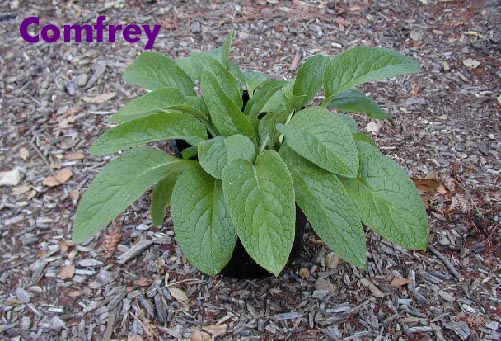
Calendula-soothes insect bites. I make a salve with calendula and comfrey. It works well to reduce itching, redness, and the bites seem to disappear faster. You can also crush the petals onto the bites.


Comfrey-soothes itching and irritating bites. We use comfrey and calendula in a salve. See my handcrafted body products page to order by email.


Witch Hazel-soothes inflammation, swelling, and itching. I have not tried witch hazel yet. (to be updated soon)


Aloe Vera-soothes irritation, redness, and swelling. I have tried aloe on several bites. It does reduce the redness but doesn't relieve the itchiness.


Thursday, August 1, 2013

Ollas

We are experimenting with olla pots in our garden. Ollas are unglazed terracotta pots buried in your garden beds. This method of irrigation was introduced to Americans by Spanish settler. Modern irrigation systems have replaced traditional methods, but modern systems loose more water than ollas. In desert climates, ollas have been making a comeback because they greatly reduce evaporation and run-off. The water seeps through the porous pot allowing the plants to take what they need also eliminating over watering. We have been filling our 2 gallon ollas approximately every 5-7 days.
Sweet Potatoes and a trial homemade olla. It will be buried farther.

Okra, carrots, and some ground cover (red clover and buckwheat)

Starting our fall garden.
Newly planted cucumber, spaghetti squash, pumpkin, and some swiss chard.


Dripping Springs Ollas
Olla Irrigation
Urban Homestead Using Ollas
Global Buckets
Growing awareness urban farm